
Brazilian Jiu-Jitsu (BJJ) Classes in Mississauga
Your first class is free. Wear comfortable track pants and a sweater, and we’ll guide you through it.
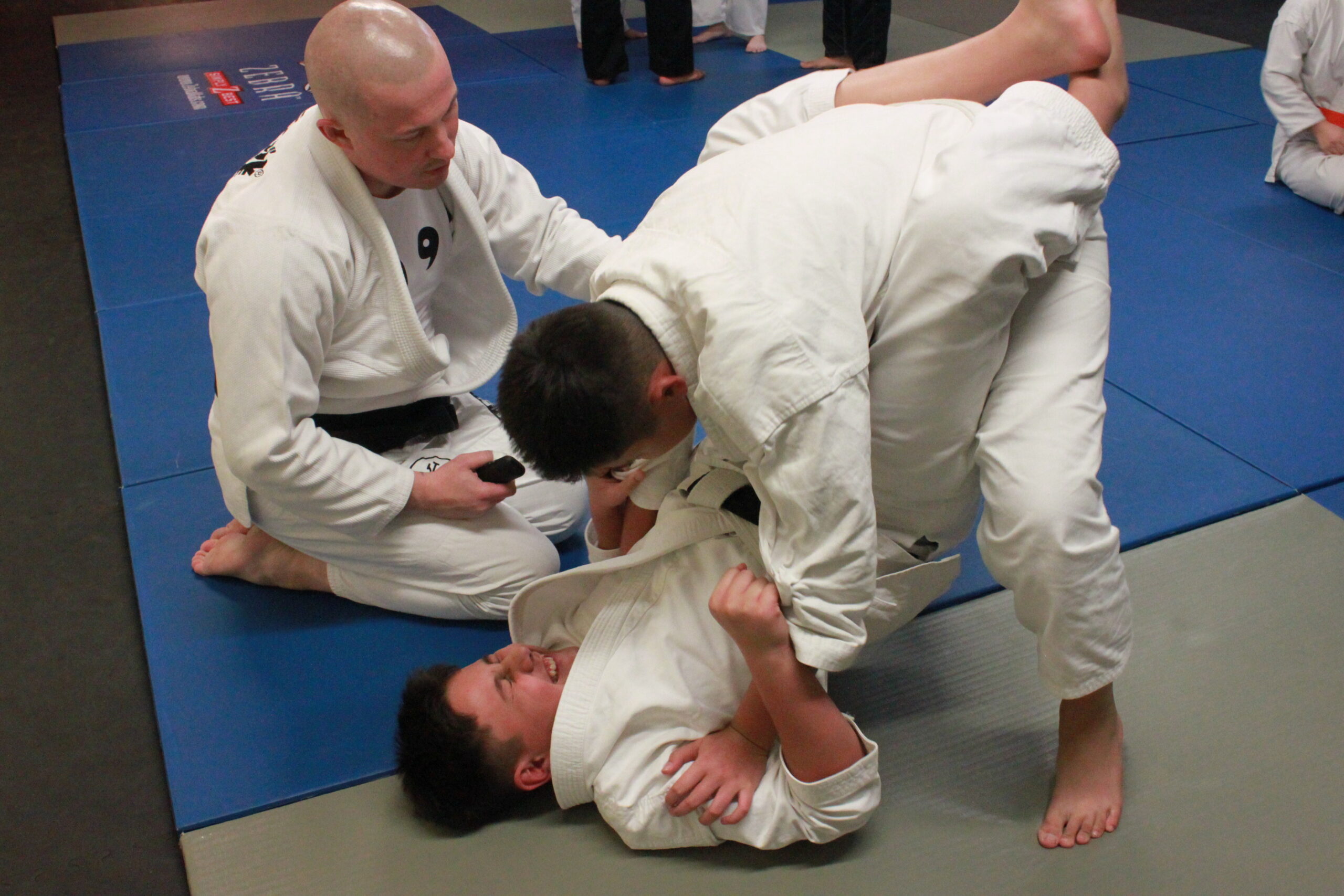
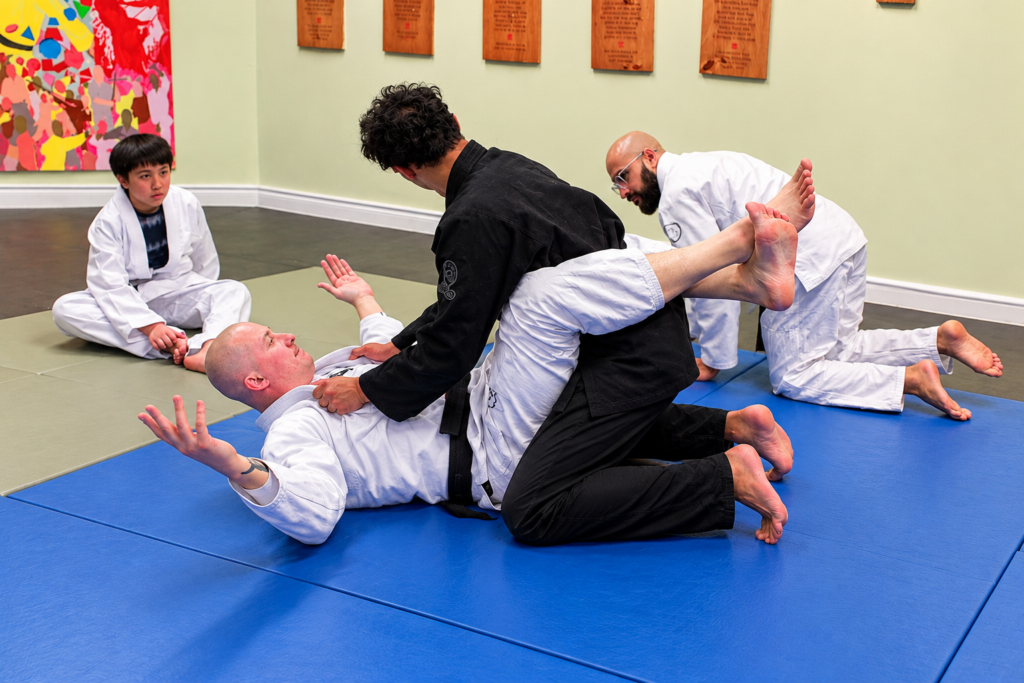
Learn Brazilian Jiu-Jitsu, close-contact grappling, in classes for ages 4 to adult. You learn takedowns, sweeps and submissions, and how to stay calm and in control on the ground.
You learn self-defence and new skills, and build confidence, discipline and fitness, in a class for your own age group: 4–7, 8–12, teens or adults.
Brazilian Jiu-Jitsu at a glance
- Ages: 4 to adult, in classes for 4–7, 8–12, 13–17 and 18 and up
- Uniform: a gi, with a rash guard underneath
- Class length: 45–50 minutes for ages 4–12; 90 minutes for teens and adults
- How often: plan on two classes a week (see the class schedule)
- Start: any time; no required start date
- Experience: none needed
- First rank: about three months of consistent training
- Belts: the International Brazilian Jiu-Jitsu Federation (IBJJF) belt system
- Private lessons: also available (Private Lessons)
- Where: 8-1010 Dream Crest Rd, Mississauga
What you train
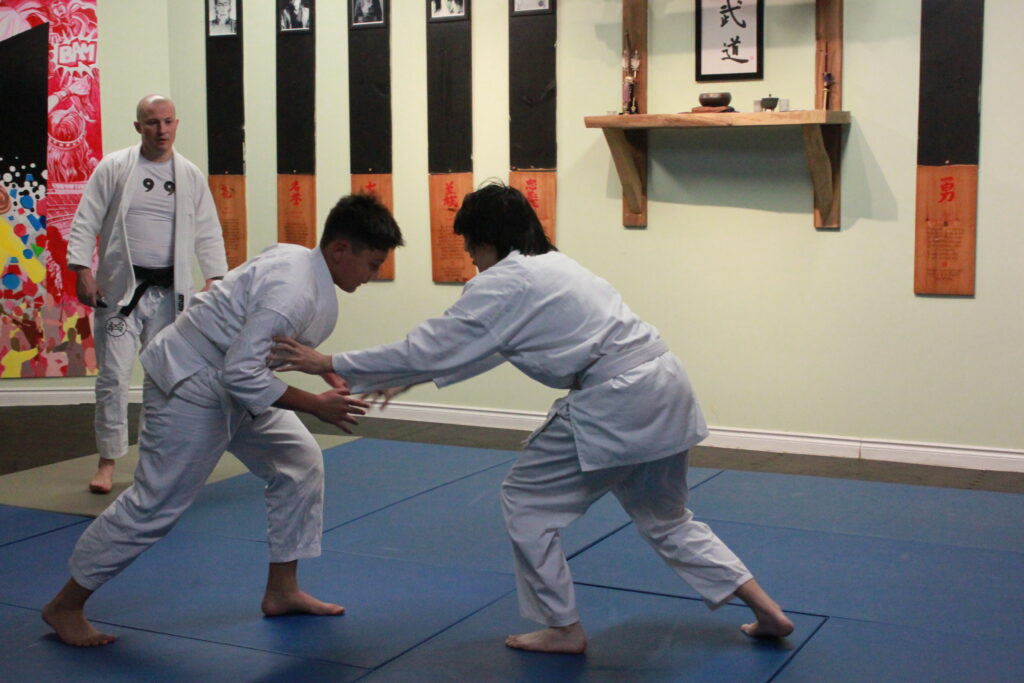
Takedowns
Every belt, from white to black, has takedowns to learn.
Positions and sweeps
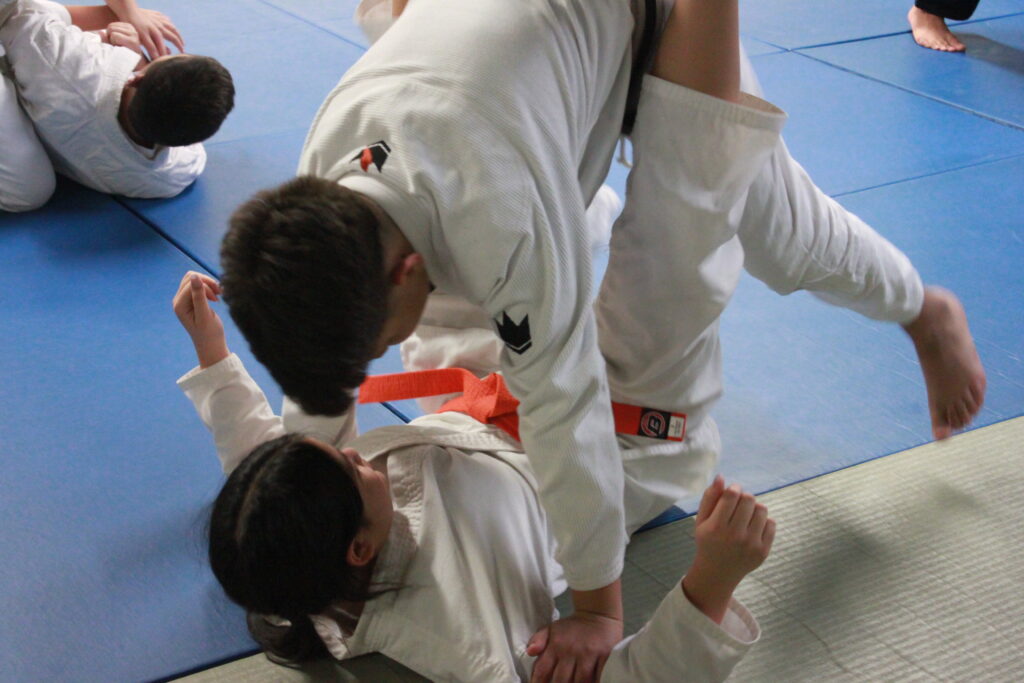
Which positions on the ground are stronger, and sweeps that turn a weaker one around.
Submissions and escapes
Holds that make a partner give up, and how to escape them.
Rolling
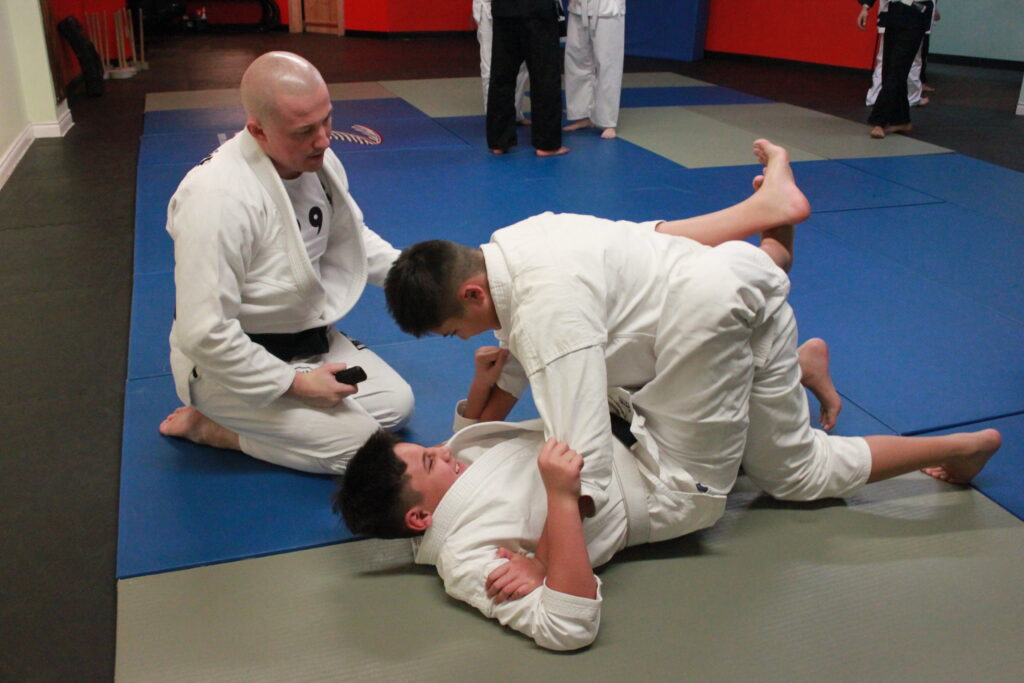
Live practice with a partner who resists, controlled and calculated. You roll when you feel ready; it’s recommended, never forced.
Staying calm on the ground
You learn to stay calm and in control on the ground, with a partner who is trying to do the same.
Self-defence, in close
BJJ works in close, where someone has hold of you, and on the ground. You learn to control a person, pin them so they can’t move, and if you have to, use a technique that makes them stop.
The curriculum covers self-defence and tournament jiu-jitsu, so the same techniques serve you on the street and on the mat.
Ranks and belts
Each rank is earned through consistent training, and the first, a stripe, comes after about three months. Stripes come through regular evaluations, which parents can watch, and a new belt comes when you show that belt’s curriculum.
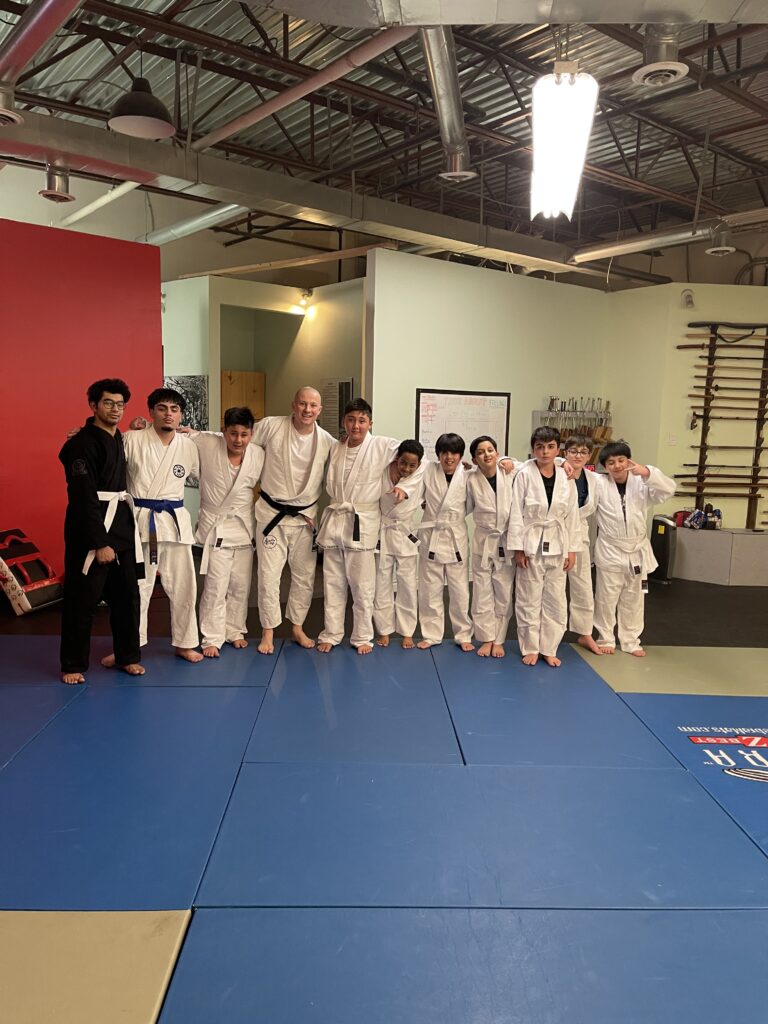
We follow the IBJJF’s belt system. Children work through white, grey, yellow, orange and green belts, each open from a set age. From 16, the belts are white, blue, purple and brown, with a minimum time at each. Black belt is for adults only: children are not promoted to black belt. Meet our BJJ instructor
Starting as a beginner
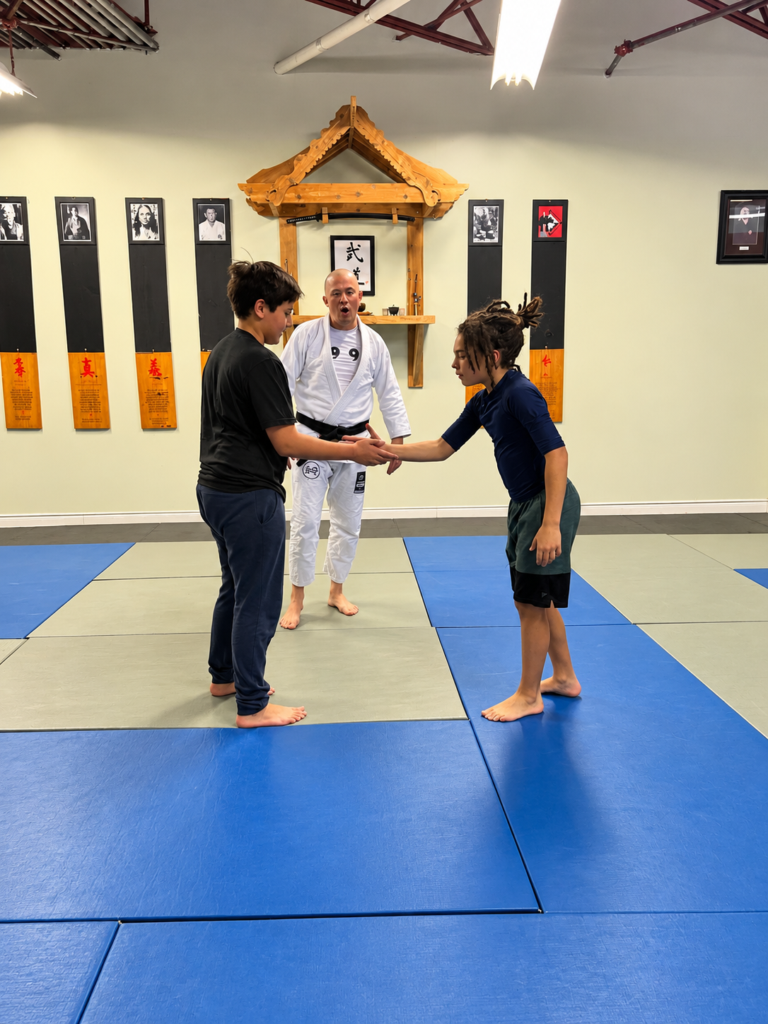
If you can walk and sit on the ground, you can do BJJ. Most people start with no experience. On day one, an instructor or senior student partners with you and teaches you the first steps, and from then on you learn step by step.
You can start any time; there is no required start date. New students start all through the month, so you won’t be the only beginner in the class. If you already hold a BJJ belt from another academy, you keep it.
Tournaments
Competing is optional but highly encouraged in this program. We recommend only a handful of the best tournaments to attend, that are in the GTA and will provide a wholesome, growth experience.
Students who compete enter about three tournaments a year, and train three times a week for the two to three months before one. Adults compete against people of similar age, weight and skill.

Self-defence in every class
Like every program here, Brazilian Jiu-Jitsu is taught as self-defence, and it starts before anyone takes hold.
The best self-defence is no self-defence
We teach that physical fighting is the last resort, and that your words, courtesy, patience and respect can stop a fight before it even begins.
Believe you are worth defending
We ask everyone: are you worth defending? You have to first believe that you are worth defending. Following that belief comes the action to back it up.
Read body language
You learn to read body language, and what your own posture and the way you carry yourself project.
Control your emotions
When you roll, you learn not to make a sound or let your emotions show, and to stay controlled and calculated under pressure. In self-defence, that calm keeps your mind clear, so you can decide what to do next.
Brazilian Jiu-Jitsu at every age
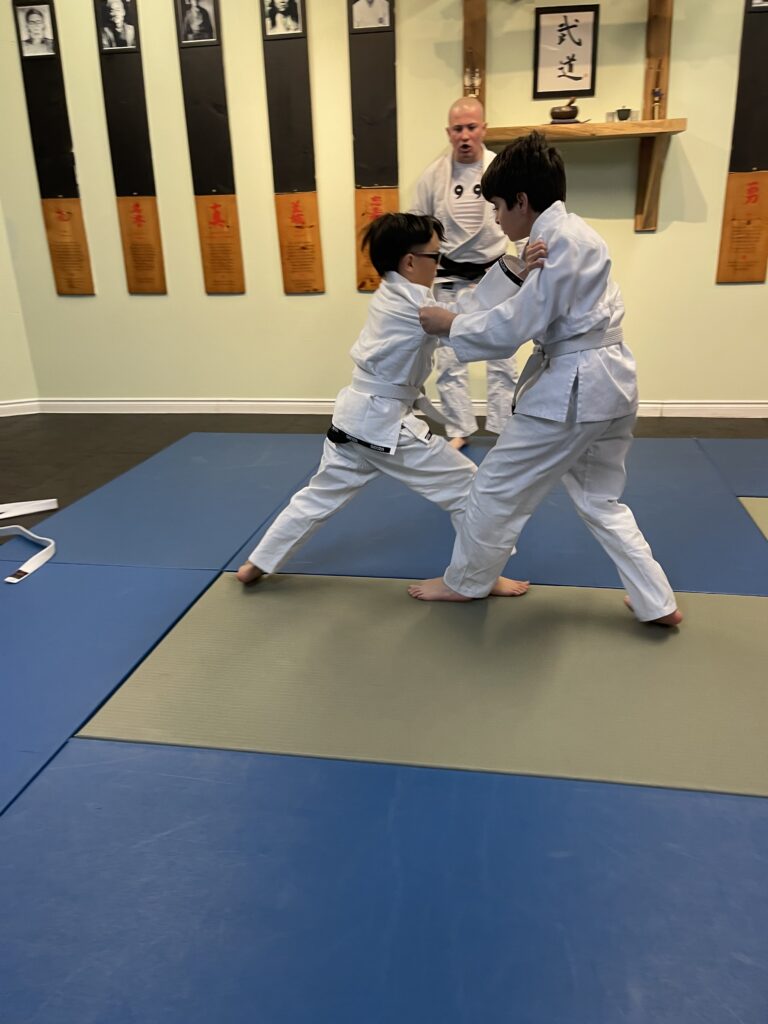
Children train with their own age group, 4–7, 8–12 or 13–17, because each age has its own needs and its own self-defence skills.
Ages 4–7
Tumbling and landing safely, and a first taste of takedowns, the guard pull and which positions are stronger. At this time, the minimum age for BJJ is 6 years old.
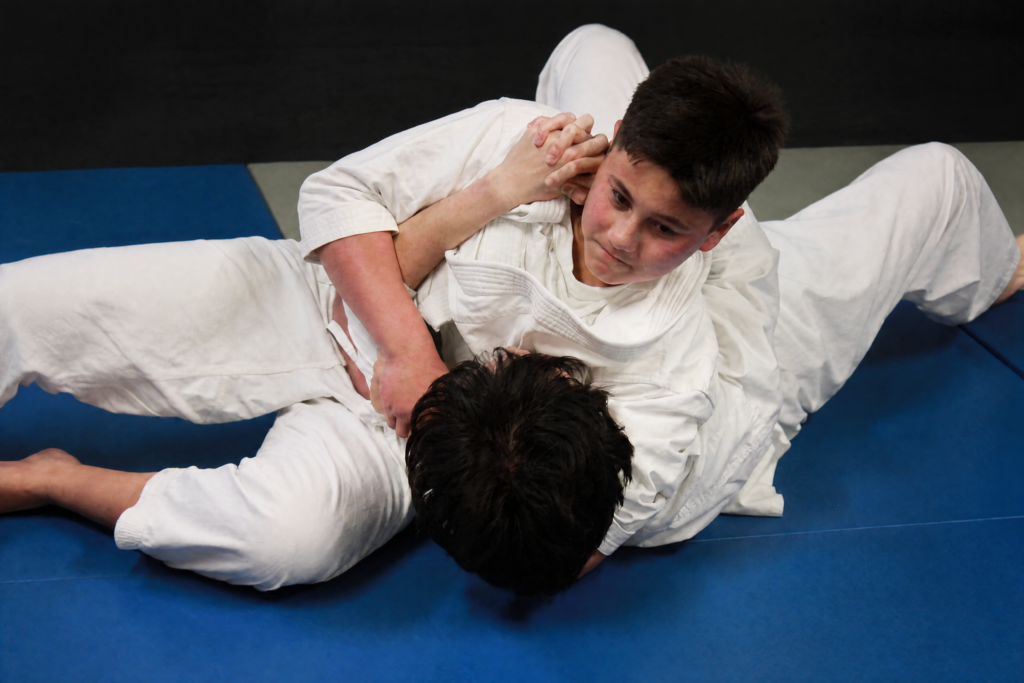
Ages 8–12
Submissions and escapes are added, and your child learns to control and pin someone. Tournaments are encouraged.
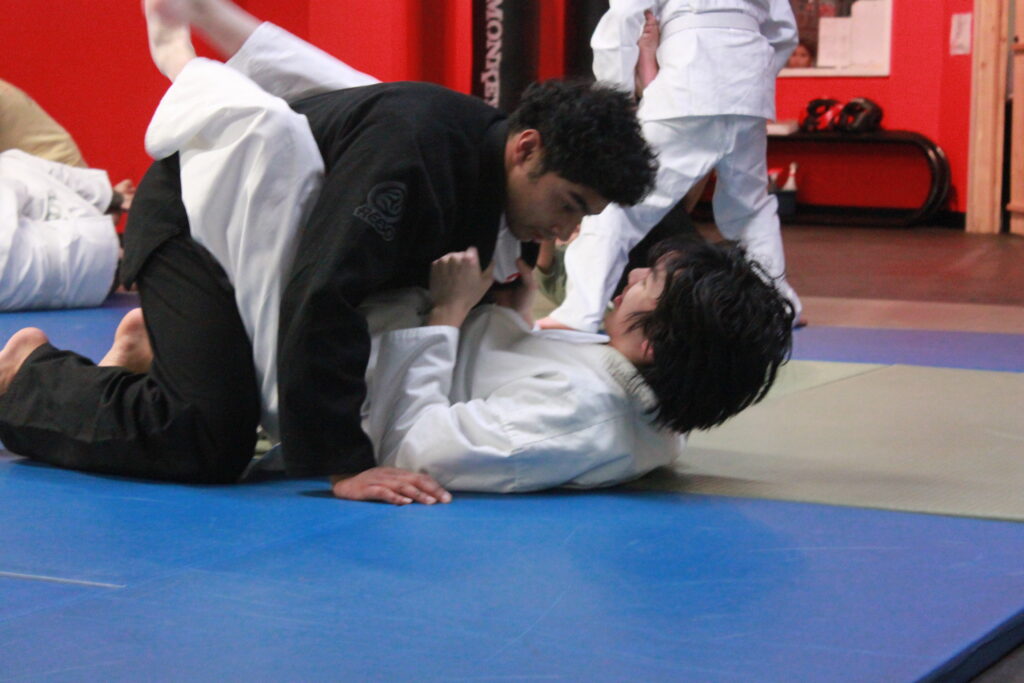
Teens, 13–17
Takedowns, sweeps and submissions, self-defence and confidence. Tournaments are encouraged. You wear a mouthguard from 13.
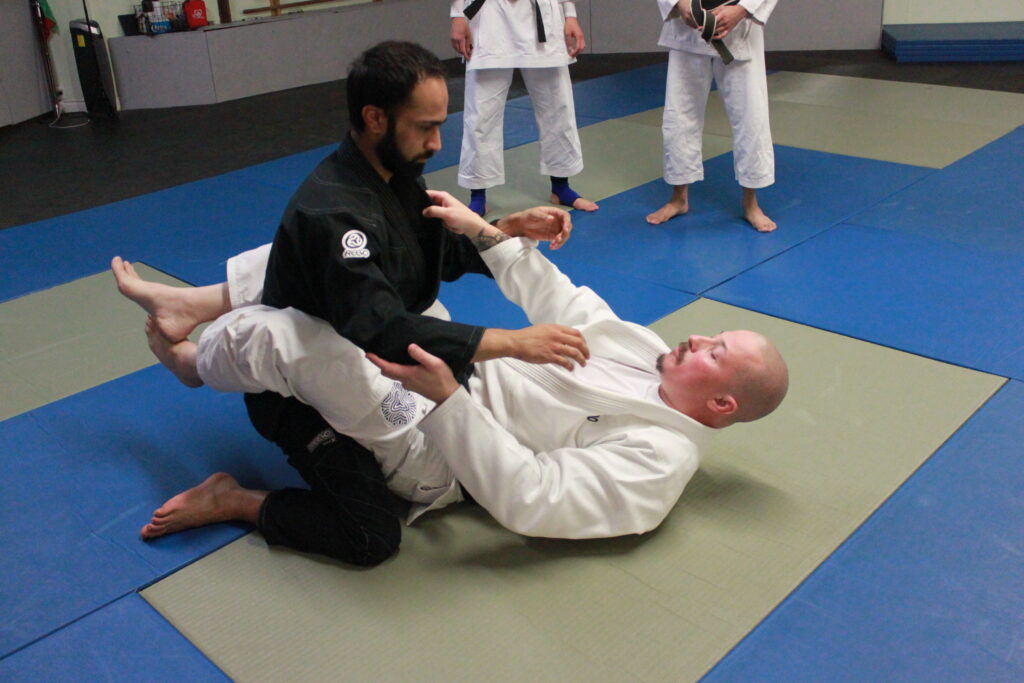
Adults, 18 and up
Rolling is controlled and calculated, as light or as hard as you choose, and beginners are matched with partners who know what a new student needs. Women in the class have other women to train with.
From our chief instructor
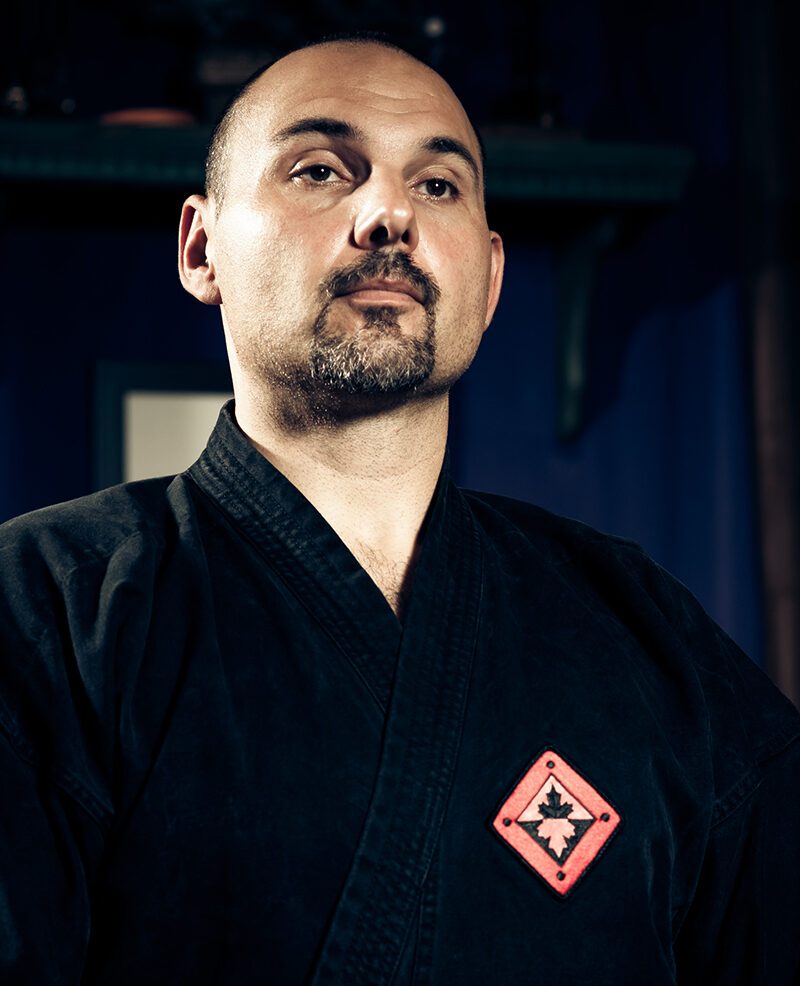
As a thirty plus year student of the martial arts, and Chief Instructor of Dapo I say this: there are as many ways to do martial arts as there are places to find someone to instruct some version of it, but to find a teacher like Sensei Brad Varsava and his affiliates in BJJ is rare.
As a father of two boys I say this: do not undermine your child’s experience with guarantees, black belt gimmicks, and birthday parties, there is no substitute for what takes years of life experience to create. A seasoned, mature teacher expounds the virtues, strengths and values in our children through the martial arts.
Thanks to Sensei Varsava for his twenty plus years of dedication and service to our community through the martial arts.
–BasselsJ
Chief Instructor of Dapo Martial Arts
Questions
Click or tap a question to see the answer.
Do I need experience, or to be fit?
No. If you can walk and sit on the ground, you can do BJJ. Most people start with no experience, and your trial class will show you where you are.
Is BJJ safe?
Yes. Contact starts in the first class, at the level you can handle. Rolling, live practice with a partner who resists, is controlled and calculated and never forced: you roll when you feel ready, and beginners are matched with partners who know what a new student needs. Children train only with their own age group.
What do I need to bring?
For the trial, comfortable track pants and a sweater. The uniform comes later, once you enrol. Everyone trains in bare feet. From age 13, BJJ students wear a mouthguard, though no one needs one for the trial class.
Is it gi or no-gi?
Gi. You train in a gi, white, blue or black, with a rash guard underneath. Now and then a class trains with the gi top off, in the rash guard.
What are the rules on the mat?
BJJ is close contact, so hygiene matters even more: wash your gi after every class, and shower after every class, and preferably before. Keep nails trimmed, wear no jewellery, and wear a rash guard under your gi.
Can parents watch?
Yes, the first class, which is the free trial. Parents of 4 to 7 year olds usually stay and watch it. After that, parents can watch their child’s stripe evaluations.
How long does it take to get a black belt?
There is no set timescale. We follow the IBJJF belt system, which sets a minimum time at each adult belt, and your instructor decides when you are ready for the next one. Children are not promoted to black belt.
What does it cost?
Email, call or text us and we will go through the fees with you.
Start with a free trial class
Your first step is a free trial class. Before class, you complete our student application and waiver, which also tells us your training goals. For students under 18, a parent or guardian completes it. An instructor or senior student teaches you the basics one to one, and you also train alongside the rest of the class, so you leave knowing what it is like to be a student here.
Questions first? Email admin@dapomartialarts.com, call 905-817-0453 or text 647-424-4180, or send us a message from the Contact & Hours page.